Half past five to knock-off, and the book writes itself.
Left is how it runs today on most places. Right is what LPOS — the operating system BovaryX puts on the place — makes of it. Nothing on this page is a mock-up: every screen is the shipped build.
You already read the bunk. LPOS writes it down.
TodayYou drive the line and carry it back to the office in your head. By the time the plan is written, half of it is memory.
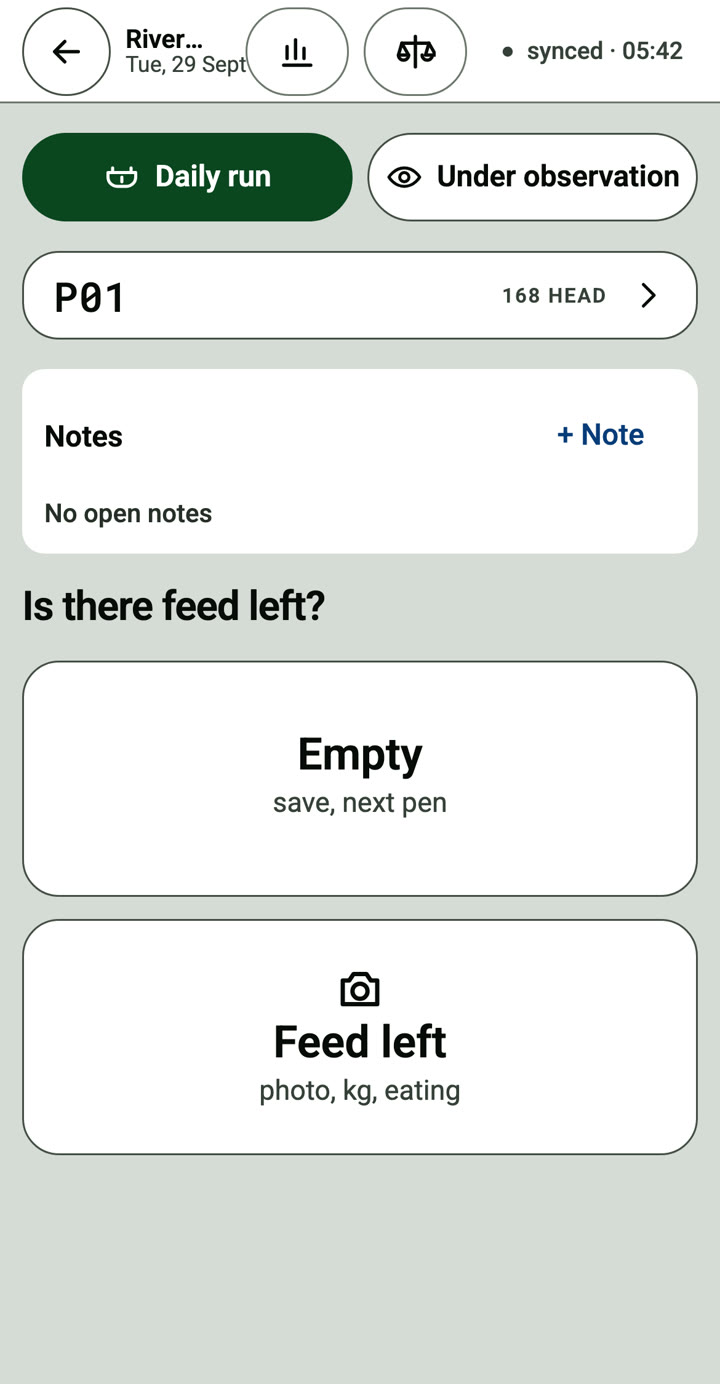
One question at each pen: is there feed left? Clean bunk, one tap, next pen. Only where there is something left does it ask for a photo, the kilos and how fast they are eating. The score and tomorrow’s starting point come out of that.
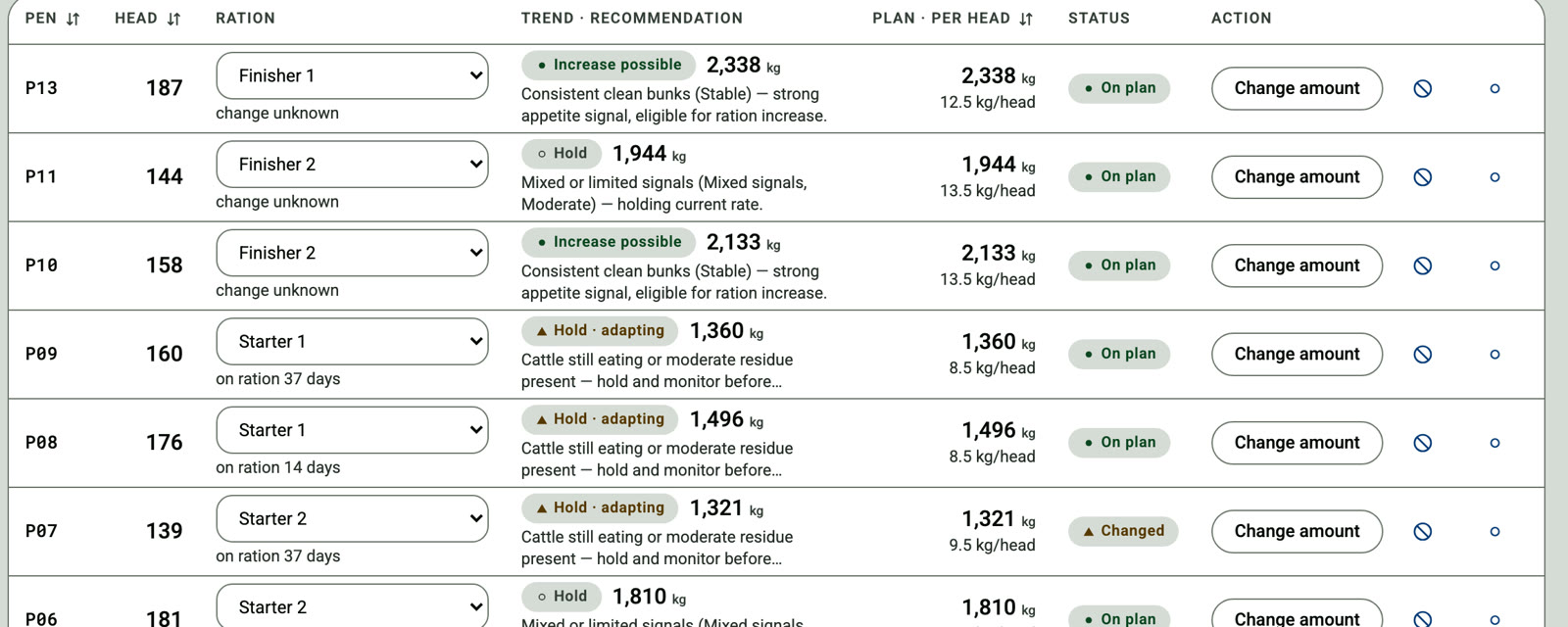
One line per pen. The overrides are the valuable part.
TodayThe whiteboard says what went out yesterday — if whoever wrote it was consistent, and they never all are. It never says why.
Head count, kilos per head, and what the bunk trend says to do — already filled in. Take it as it stands, or override it when you know better; then LPOS asks why and keeps the answer.
It suggests, you disagree, and the disagreement is kept. That is how it comes to fit your place — like a jacket that wears in.
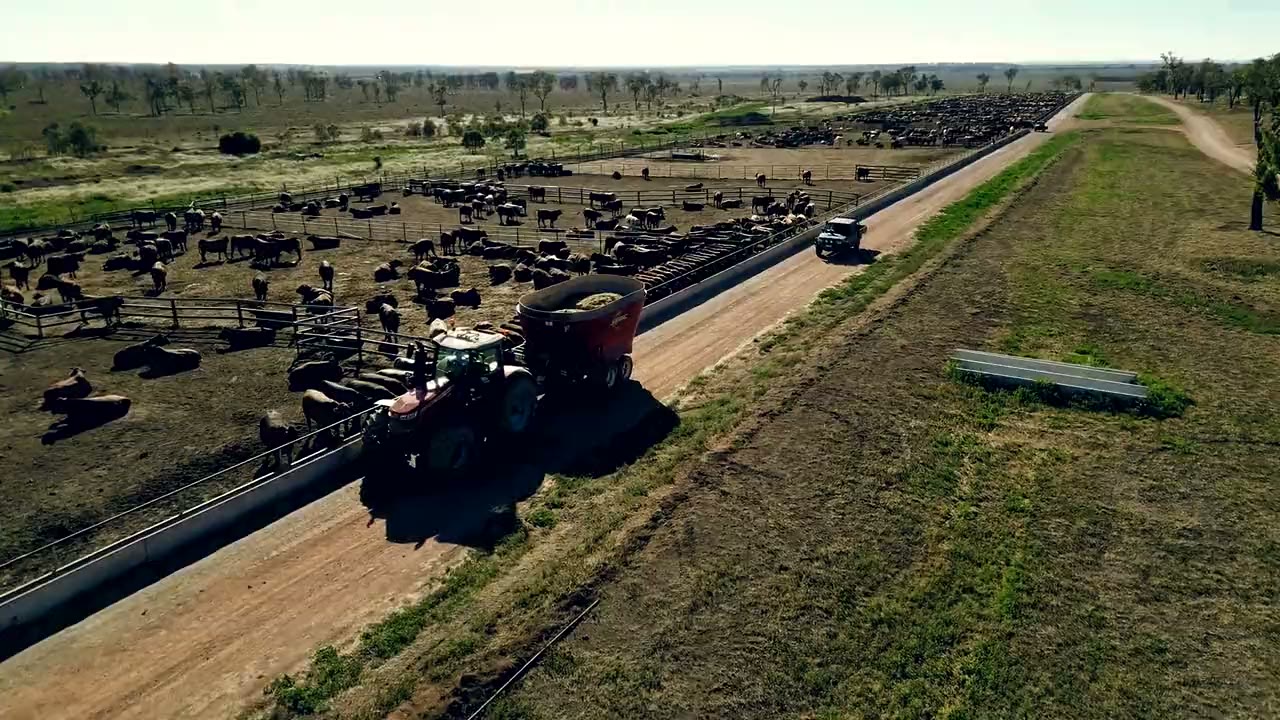
Twelve tonnes of ration, and every kilo of it accounted for.
Two mixers, three rations, four people — and a plan that moves with the day.
TodayThe plan is set at six. By lunch a draft has changed two pens, one wagon is down, and the sheet in the cab is fiction.
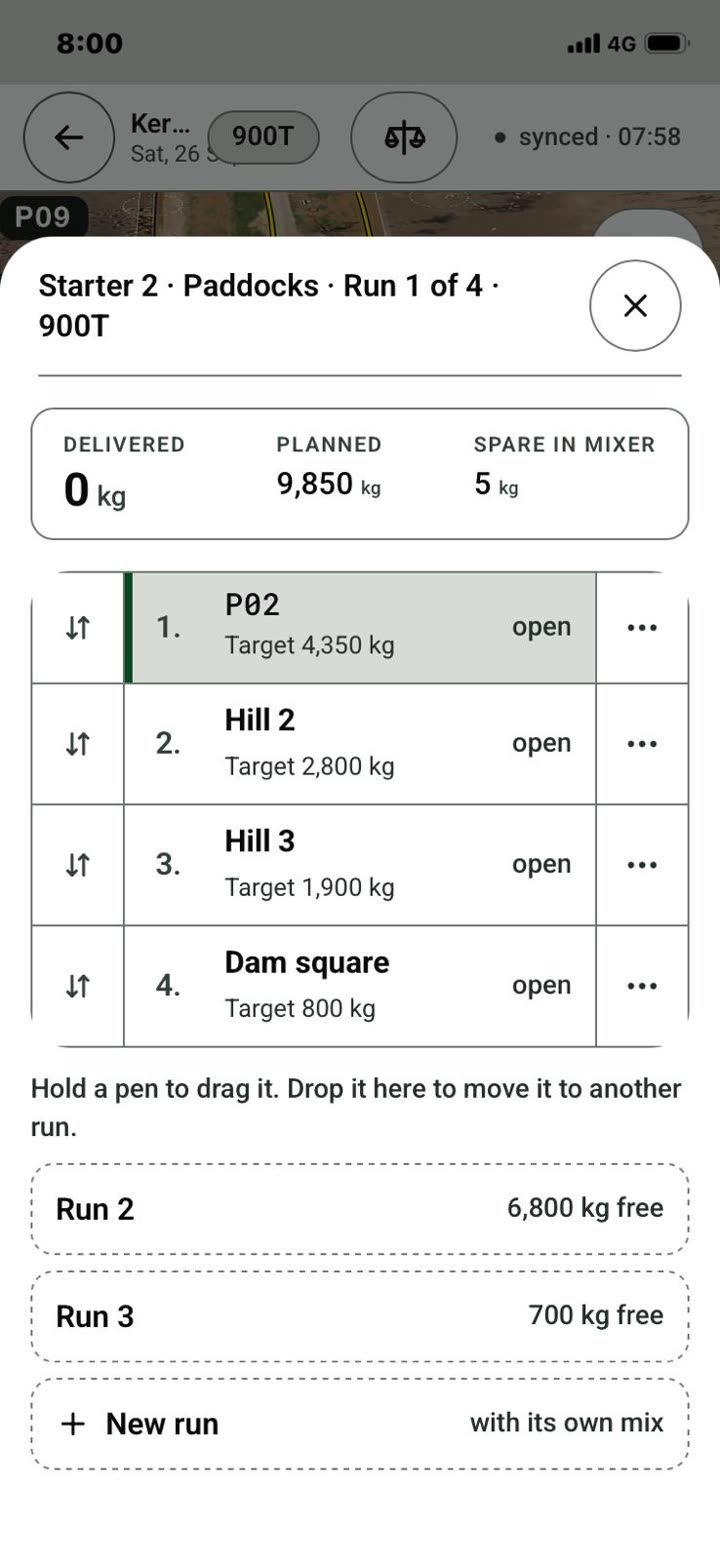
Tell it which machines you run. From there it works out the loads — what goes in which wagon, in what order, and who is driving it.
Split it, shuffle it, re-ration it, skip a pen — mid-drive. Everything else recalculates. A plan that cannot change is wrong by lunch.
Tell it what is still in the drum and that starter becomes finisher — with the scale reading for every ingredient. Overshoot one and the rest re-scale to match.
Both hands are busy. That is the whole design.
TodayDriving a mixer takes both hands and both feet. Every number you are meant to write down competes with that — so it gets written later, or not at all.
GPS knows which bunk you are at and which pen you are pulling into. The screen already holds the number the scale should read when you stop. You drive — and the feed record comes out of that, not out of a write-up afterwards.
No need to be perfect. Bump a pen up out of order, or draft one while you are out — a new run takes it and the rest re-sorts around you, instead of marking you off-plan.
No signal needed. And your position stays on the device: LPOS records which zone you confirmed in, not where you spent your day.
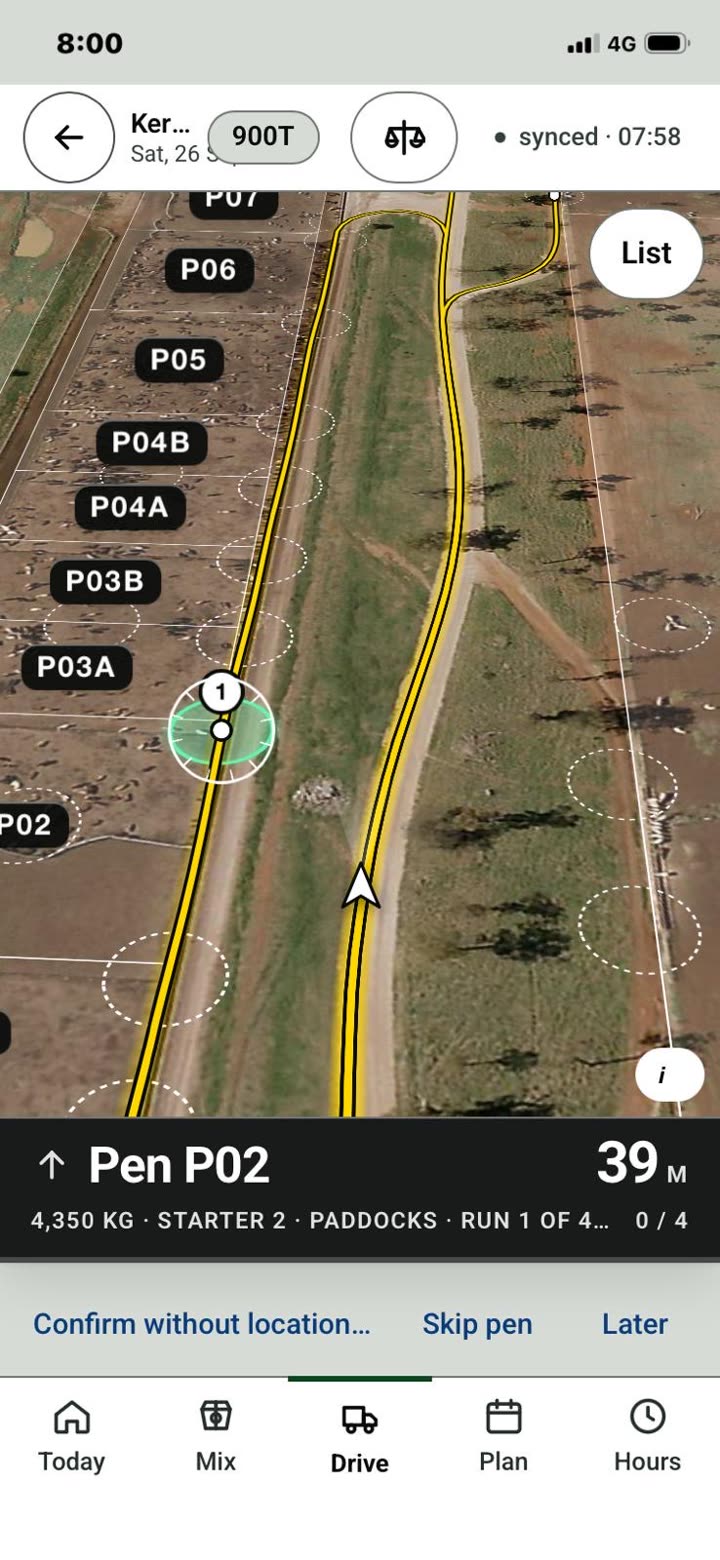
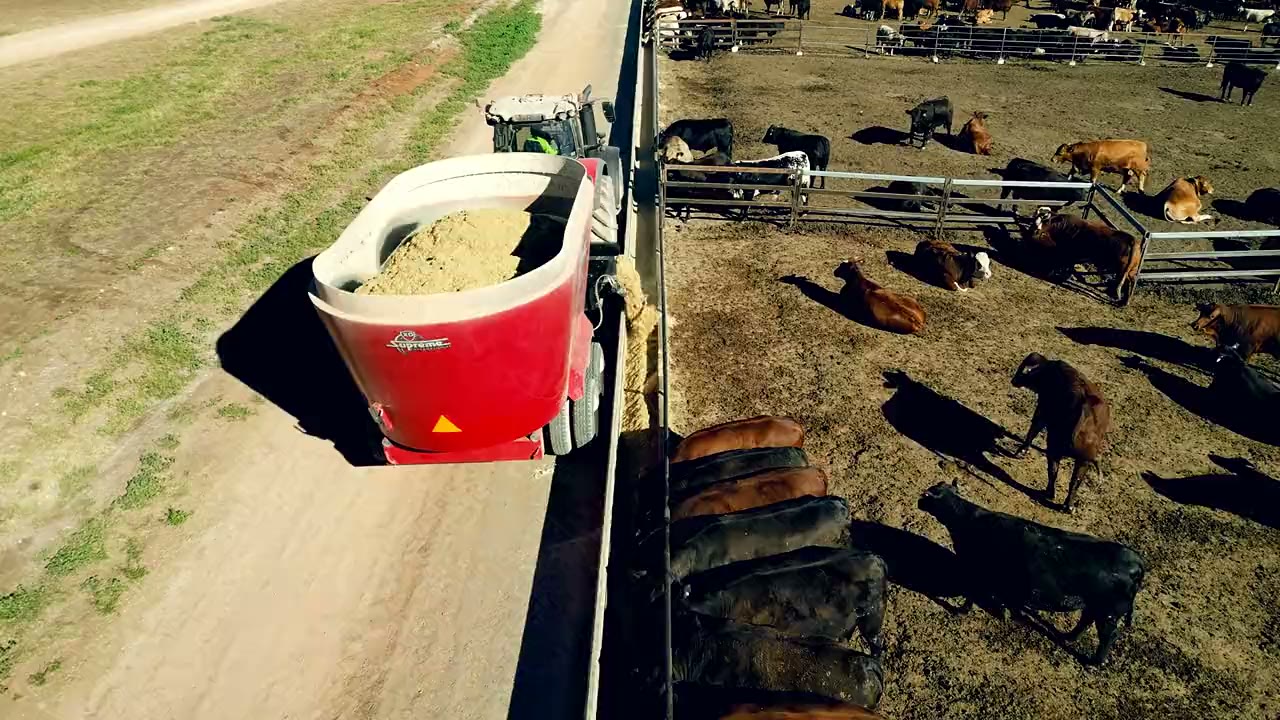
Same picture in the cab, in the yards, in the office. Nobody has to ask.
Scan well and it knows every animal. Either way, the count holds.
TodayThe tally is on the back of an NVD, the scanner file is on a laptop in the shed, and nobody reconciles the two.
The whole place on one screen: holding pens, the draft gate, the draft pens, the count lane, the feedlot. Mobs are cards — hold one and drag it where it went. Nothing is written until you book, and then the numbers are in before the gate shuts.
Reality moves. A tag goes missing, a cow goes through a fence — the next scan puts it right. Nothing in your day has to stop for it, and nobody has to go back and fix a record.
The scanner file attaches to what you booked, and where the two disagree you decide. What comes out is one movement history — which mob, how many head, out of where, into where, when. Most audit questions stop there.
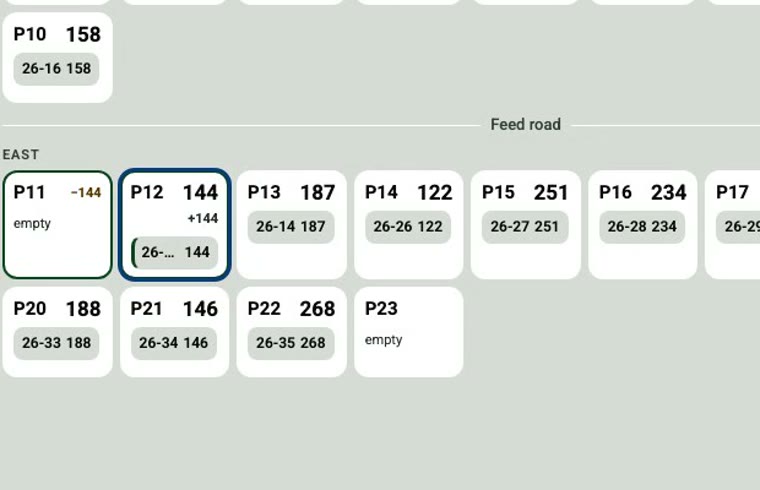
That is the day. What it leaves behind — one record per animal, from the purchase to the kill sheet — is on the product page.