
Your operation runs on memory.
Spreadsheets, paper, and what three people happen to remember. LPOS is an operating system for the place — feeding, yards, cattle and paperwork in one system instead of four apps that never agree. BovaryX builds it, and puts it on your place.
We get a cattle operation onto its own numbers.
Not by handing you a login. We come out, look at how the place actually runs, take what is on paper and in people’s heads, and build it into the working day — so the numbers turn up on their own instead of being collected afterwards. LPOS is the operating system we put on the place: feeding, yards, cattle, treatments and paperwork run in one system, not in four that have to be reconciled. Getting your place onto it is the work, and that part is ours.
- Who it is for
- Cattle operations that feed — feedlots and backgrounders. It starts paying for itself as soon as a place is bigger than one person can hold in their head, and nothing in it caps how far that goes: more pens, more mixers, more crew, same system.
- Why we do it
- Because the numbers already exist. They are on a whiteboard, in a notebook, in four apps and in what three people happen to remember — and none of that survives an audit, a staff change or a bad week.
The whole place, in one system.
Every job below writes into the same records, so the next audit reads what the day already left behind.
Your stock
- Every head
- By its EID, from purchase to kill sheet
- Mobs and pens
- Drafted on the board, counted as they move
- Paperwork
- NVDs, purchases and kill sheets, read in from a photo or a file
Machinery
- Maintenance
- Service schedules, parts used, breakdowns reported
- Mixing
- The loading list per mixer, and the feed on hand
- Feeding
- The run pen by pen, opened by driving into the bunk zone
- Bunk
- What was left, and how fast each pen is eating
Preparations
- Products
- Every batch with its withholding period
- Treatments
- Every dose on the animal it went into
- Withholding
- No truck leaves while it is still running
Staffing
- Roles
- Everyone sees the work that is theirs, and only that
- Hours
- Logged on a shared phone, against the right person
- Devices
- A phone paired once, or tied to one machine
Pens and water
- Water troughs
- When each one was cleaned
- Pen cleaning
- How often each pen was cleaned out
- For the audit
- Both logged as the job is done, not written up after
How it all hangs together on a single animal: the product page.
The software fits the day. Not the other way round.
- It knows where you are.Pull up at a pen and that pen is already the one on the screen. Drive into the bunk zone and the amount to drop is there, without looking for the row.
- Nothing to hunt for.The bar at the bottom carries only what that person actually does — the loader operator never sees the drafting. And a clean bunk is one tap: Empty, saved, next pen.
- One system, not seven.The count you booked, the scanner file, the kill sheet, the treatment, the reason someone changed an amount — the same record, reached from either end. Nothing gets typed twice, and nothing has to be reconciled at the end of the month.
What that looks like from half past five in the morning:
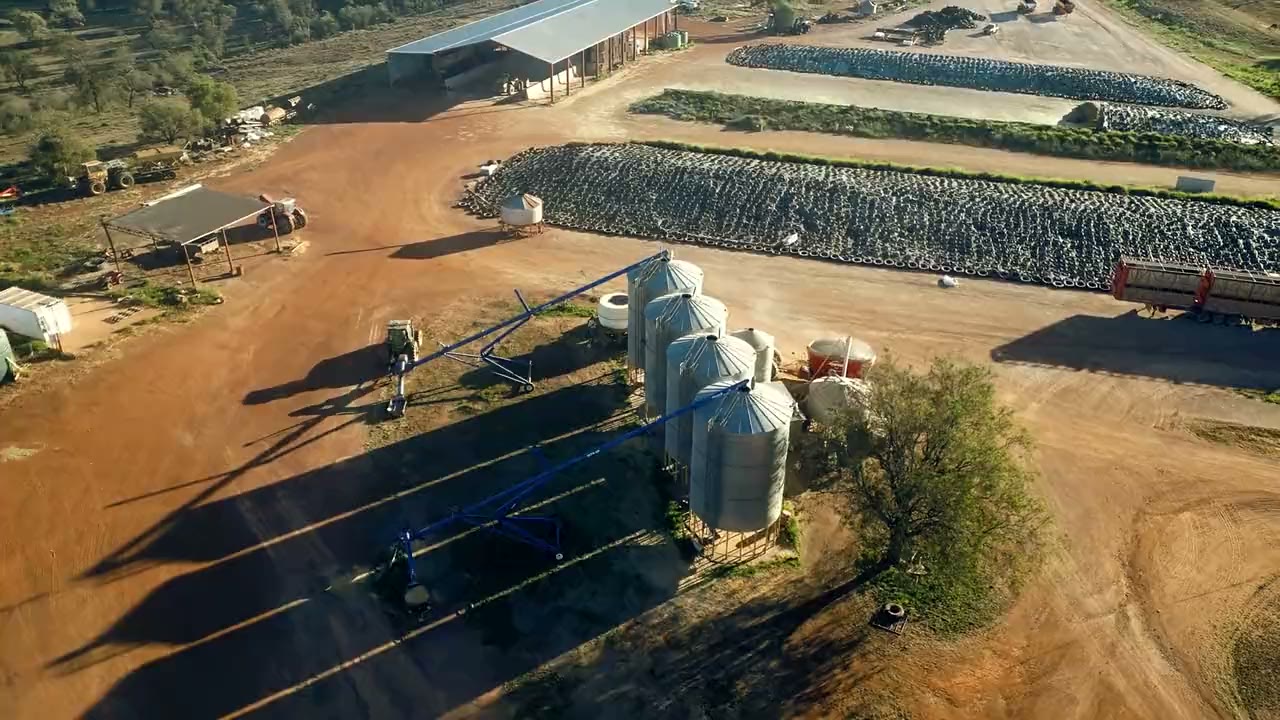
From the silo to the kill sheet — one record, written while the work happens.
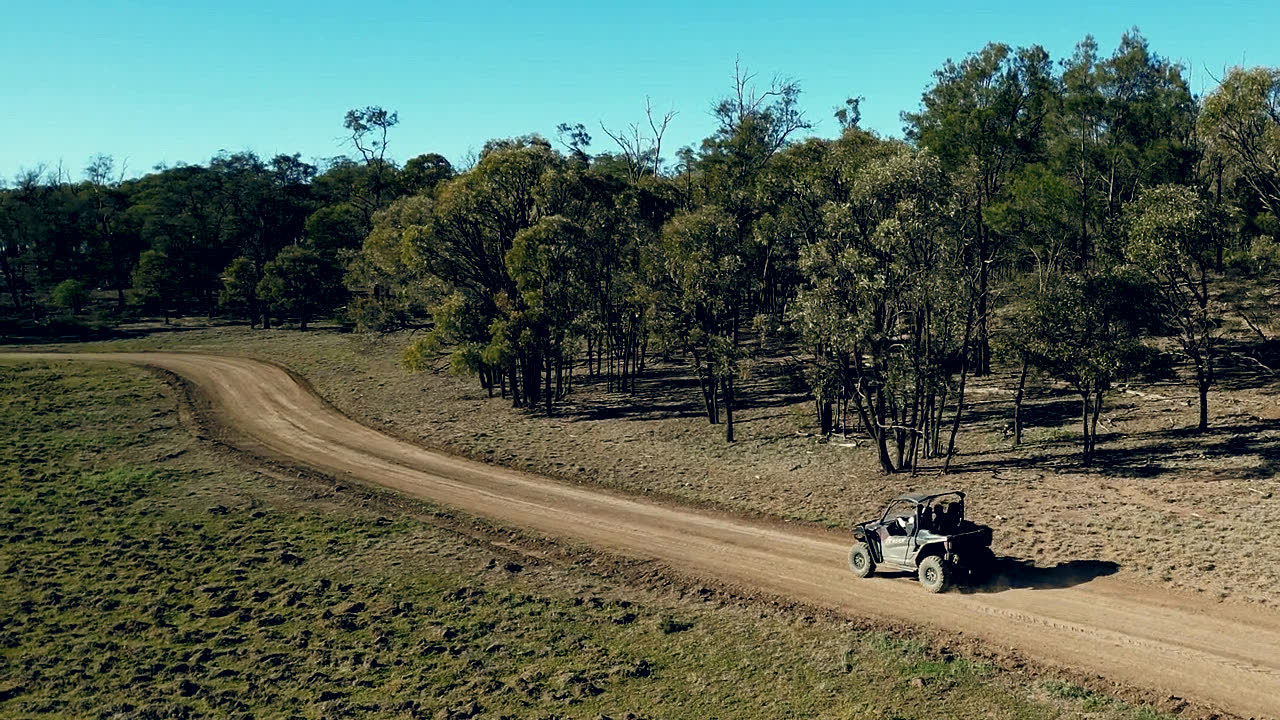
Nobody hands you a login and wishes you luck.
Software on its own does not digitise an operation — it moves the mess somewhere else. The work is understanding how your place actually runs, and then fitting the tool to it.
We come out and learn the place
A few days alongside the crew: how the day runs, how the pens sit, what the rations are, where the numbers end up now. Your pen outlines and your troughs come straight off the satellite image, before anything else gets set up.
Your old records come with you
Lists, spreadsheets, scale exports, kill sheets, purchase paperwork — read in, checked, in. You do not start from zero, and you do not start from “new records from today”.
LPOS gets fitted to your operation
Mixers, rations, routes, roles, devices — set to your place, not to a template. And where something is genuinely missing for the way you run, it gets built.
Your crew gets trained, and we stay
The people at the bunk and in the yards get walked through it until it runs without us. After that we stay reachable — a phone number, not a ticket system.
What this isn't
- Not a reporting tool. It does not exist so you can look at last month. Last month is a by-product.
- Not digitising for the sake of it. If it does not take work off you today, it has no business being on your phone.
- Not a system you have to work around. It fits the way your place already runs. You do not rebuild your operation to suit the software.
What it is: fewer things to carry in your head, and fewer things to guess at — starting with where your cattle actually are.
Weather, market data, the things that read ahead — those are coming. They are not in it today, and we would rather tell you that than show you a mock-up of them. What is in it, down to the single animal, is on the product page.
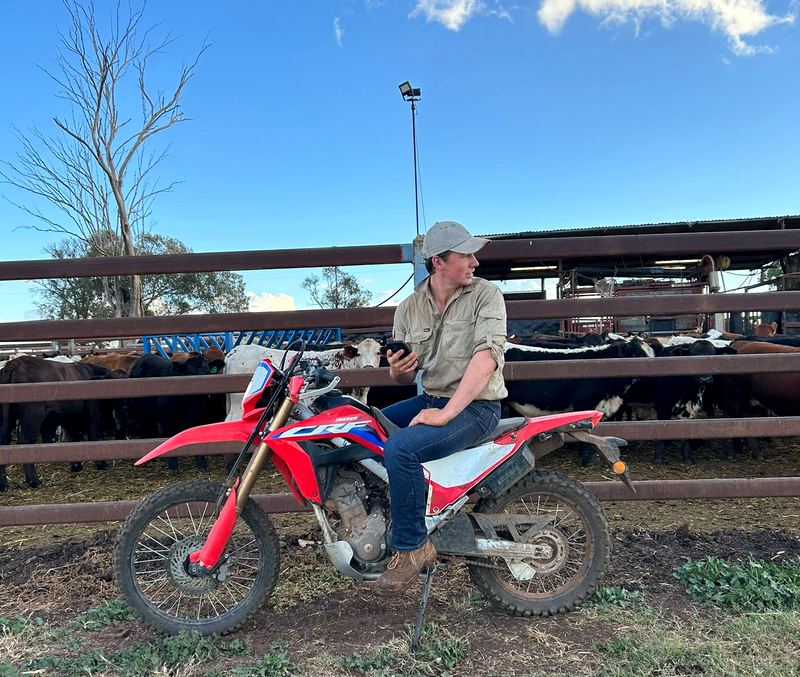
Someone who has actually fed out.
Farming first. Yannik has worked the industry hands-on — mustering, feeding and stock work — with a get-it-done mentality forged through practical training, not theory. He knows what a 5 am start at the induction race feels like, because that is where LPOS gets tested.
Then the analyst side: as a fintech fraud analyst he finds signal in millions of transactions, and his business degree adds the academic frame. That triple perspective — farming, tech, finance — rarely lives in one person. It's exactly what building LPOS takes.
 KerriettCattle Company
Two operations run LPOS every day — and they are the reason it looks the way it does. What did not work in their yards did not survive the week.
We take on a handful of operations in 2026/2027.
Tell us the place, roughly how many head, and what is costing you the most time right now.
You will get a call from the person who builds it, not a sales team.